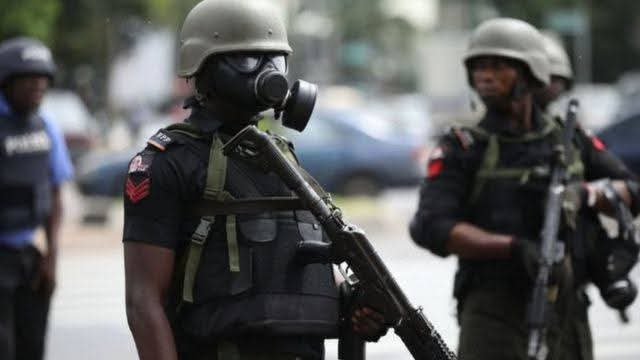
Gunmen Abduct JSS2 Student in Ibadan

Panic gripped residents of Ibadan on Thursday morning after a Junior Secondary School 2 student of Monarch Model College was reportedly kidnapped by armed men in a brazen attack.

Eyewitness accounts revealed that the masked abductors, driving a vehicle without number plates, allegedly trailed the girl’s mother before striking as she stopped to drop her daughter off. The gunmen, said to be armed with a double-barrel gun, reportedly fired shots into the air to disperse bystanders and punctured the tyre of the mother’s Toyota RAV4 with Lagos registration number KRD 350 GP.

The student, who reportedly resisted, was forcefully dragged into the kidnappers’ vehicle. The suspects thereafter fled the scene through the Challenge area, leaving residents in shock.

The incident was reported at the Orita Challenge Police Station, with officers arriving at the scene alongside the victim’s mother around 8:50 a.m. However, when contacted, the Oyo State Police Public Relations Officer, DSP Olusola Olayinka Ayanlade, said he had not yet been briefed on the matter as of press time.

As of the time of filing this report, authorities had yet to provide details regarding the kidnappers’ demands or the whereabouts of the abducted student.

Makinde Offers N10bn to Be Atiku’s Running Mate on ADC Ticket – Fayose Alleges

Former Ekiti State Governor, Ayodele Fayose, has alleged that Oyo State Governor Seyi Makinde recently met with former Vice President Atiku Abubakar in Minna, Niger State, to discuss a possible political alliance ahead of the 2027 presidential election.

According to Fayose, the meeting was strategically arranged with carefully selected participants to ensure confidence and political acceptability.
Fayose claimed that Makinde is willing to join the African Democratic Congress (ADC) on the condition that he is offered the party’s vice-presidential ticket as Atiku’s running mate. He further alleged that Atiku is confident of securing the ADC presidential ticket, particularly following moves to ensure the party’s ticket is not zoned to any region.

As part of the reported negotiations, Makinde allegedly pledged an initial contribution of N10 billion, to be released in two tranches, to support the “proper take-off” of the ADC. He also reportedly promised additional funding once the campaign formally begins, alongside assurances that he could mobilize delegates from the Southwest and leverage political connections in the South-South.

Fayose added that Makinde believes his presence on the ticket could help divide votes in the Southwest during the general election, giving the ADC a strategic advantage. A follow-up meeting between both camps is reportedly scheduled to take place in Dubai within the next two weeks, although neither Atiku nor Makinde has publicly confirmed the claims.

NEC Conference: Governors, Stakeholders Chart Path for Inclusive Growth Under Renewed Hope Plan

Abuja — Ogun State Governor Dapo Abiodun has reaffirmed the commitment of subnational governments to inclusive growth and sustainable development following deliberations at the second edition of the National Economic Council Conference.

The conference, held at the State House Conference Centre, brought together governors and key national stakeholders as panelists to examine strategies for delivering inclusive growth and advancing sustainable national development under the Renewed Hope National Development Plan.

Discussions at the forum focused on strengthening subnational economies, expanding opportunities for shared prosperity, and aligning state-level policies with the Federal Government’s renewed commitment to economic resilience, social inclusion, and long-term sustainability. Participants exchanged practical ideas on driving investment, improving infrastructure, boosting productivity, and ensuring that growth translates into tangible benefits for citizens across all regions of the country.

The conference also provided a platform for stakeholders to reaffirm their collective resolve to work collaboratively, leverage innovation, and pursue people-centred policies capable of accelerating national development and securing a more prosperous future for Nigeria.

NNPCL Moves Toward Commercial Oil Production at Eba, Ogun Poised to Join Oil-Producing States

Abeokuta, Ogun State — A technical team from the Nigerian National Petroleum Company Limited (NNPCL) has visited the Eba oil well in Ogun Waterside Local Government Area as preparations advance for the commencement of commercial drilling operations in the state.

The inspection followed President Bola Ahmed Tinubu’s approval for commercial exploration and forms part of the Federal Government’s efforts to deploy the required technical capacity and infrastructure for production. Officials of NNPCL carried out the exercise alongside representatives of the Nigerian Upstream Petroleum Regulatory Commission (NUPRC) and national security agencies to evaluate the site and confirm its readiness for drilling activities.

The delegation was led by Hussein Aliyu, Project Coordinator for Enserv, who headed the NNPCL Enserv technical team. Other members included Wasiu Adeniyi, Onwugba Kelechi, Engr. Rabiu M. Audu, Ojonoka Braimah, Ahmad Usman, Akinbosola Oluwaseyi, Salisu Nuhu, James Amezhinim, Yusuf Abdul-Azeez, Amararu Isukul and Livinus J. Kigbu.

Governor Dapo Abiodun described the development as a landmark achievement for Ogun State, saying the commencement of drilling at Eba would stimulate economic growth, create employment opportunities and attract increased federal presence to the state’s coastal communities.

Geological reports had earlier confirmed the presence of hydrocarbons within the Ogun Waterside axis, leading to preliminary surveys and technical engagements by NNPCL. The Ogun State Government also carried out an independent verification of the oil well’s coordinates, affirming that the discovery is located within the state’s boundaries.

To secure the project, naval security personnel have been deployed to the site for over 18 months, with the support of the Ogun State Government, to protect the facility and its environs.

The Eba oil well is regarded as part of Nigeria’s strategic move to expand oil production beyond the Niger Delta region. Stakeholders noted that the next phase would focus on regulatory compliance, community relations, environmental protection and the smooth take-off of commercial operations.

The state government also expressed appreciation to President Tinubu for his support toward the development of frontier oil basins and the equitable spread of the nation’s energy resources.

2027: Atiku, Makinde Hold Closed-Door Meeting With Former Military President IBB in Minna

Minna, Niger State — Former Vice President of Nigeria, Atiku Abubakar, and Oyo State Governor, Seyi Makinde, on Tuesday held a closed-door meeting with former Military President General Ibrahim Badamasi Babangida (IBB) at his residence in Minna. The private session, which lasted for several hours, has drawn political attention ahead of the 2027 general elections.

Atiku and Makinde arrived separately at the Minna residence of the retired general, with Atiku getting there first and Makinde joining later as the talks got underway. No official statement has been released by any of the parties after the meeting concluded.

Speaking to journalists after his interaction, Atiku used the opportunity to criticise recent changes to Nigeria’s Electoral Bill, specifically the decision to adopt a hybrid election results transmission system that mixes electronic and manual processes. He argued the amendment could create confusion and weaken the integrity of elections, saying Nigerians had expected a fully electronic real-time transmission system.

Atiku also condemned the controversial Tax Bills and launched a broad attack on the ruling All Progressives Congress (APC), describing it as a “party of forgers and riggers” — accusing the party of forgery on several fronts including age limits and tax laws.

Governor Makinde, who also met privately with the former military leader, declined to speak to reporters as he left the meeting.

Observers say the meeting — involving major opposition figures and a respected elder statesman — is being closely watched for its possible implications on political alliances and strategy ahead of the 2027 polls.

Open Grazing Is Illegal, Unacceptable — Olubadan Warns Herders in Ibadan

The Olubadan of Ibadanland, Oba Rashidi Adewolu Ladoja, has issued a firm warning to herders operating within Ibadan metropolis to desist from open grazing, declaring the practice illegal, prohibited and unacceptable.

The monarch gave the warning on Monday in Ibadan following a meeting with members of the Ibadan Traditional Council and representatives of the Ijaye Farm Settlers Association. The position of the Olubadan was conveyed in a statement issued by his Chief Press Secretary (CPS), Mr Olugbemiga Ayoade.

Oba Ladoja stressed that Ibadan, as a rapidly expanding urban centre and the capital of Oyo State, can no longer accommodate open grazing, which poses serious threats to public safety, agriculture, and peaceful coexistence. He noted that open grazing has been outlawed by the Oyo State Government and that all residents, regardless of background, must comply with existing laws.

According to the monarch, reports of destruction of farmlands, environmental degradation and rising tension between farmers and herders informed the decision to restate the ban and issue a clear warning. He emphasized that traditional institutions would not tolerate actions capable of disrupting peace and stability in Ibadanland.

The Olubadan urged herders to embrace alternative and lawful livestock management practices, such as ranching, in line with government policy. He added that anyone found violating the ban on open grazing would be handed over to relevant security agencies for prosecution.

Oba Ladoja also called on community leaders, security operatives and residents to remain vigilant and cooperate with authorities by reporting cases of open grazing or related disturbances. He reaffirmed the commitment of the traditional council to work with the state government to ensure lasting peace, security and protection of livelihoods across Ibadanland.

The meeting, which included leaders of the Ijaye Farm Settlers Association, ended with a consensus on the need for dialogue, strict law enforcement and mutual respect to prevent further conflicts between farmers and herders in the area.

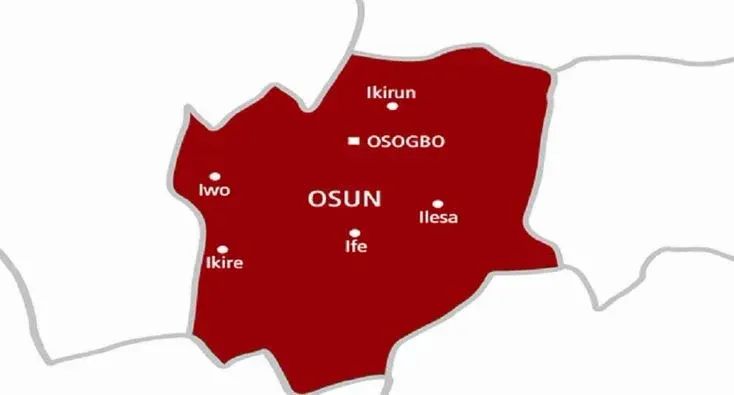
LG crisis: Groups call on Tinubu to declare state of emergency in Osun

Two civil society organisations in Osun State, the Initiative for Local Government Development (ILGD) and the Centre for Justice and Community Advocacy (CJCA), have called on President Bola Ahmed Tinubu to consider declaring a state of emergency in the state over what they described as persistent disregard for court orders relating to local government administration.

The groups made the call on Friday during a press conference held at the Nigeria Union of Journalists (NUJ) Press Centre in Osogbo, the Osun State capital. They expressed concern over what they termed an ongoing constitutional crisis allegedly fuelled by the state government’s refusal to comply with valid judicial pronouncements on local government matters.

Reading the joint address on behalf of the organisations, Comrade Juliet Kanyinsola Adebayo, alongside Faith Ayomide Adeniyi and Opeyemi Amusan, accused the Osun State Government of disobeying lawful court orders concerning the administration and leadership of local governments in the state. They argued that such actions undermine the rule of law and threaten democratic governance at the grassroots level.

According to the groups, continued defiance of court rulings has created confusion in local government administration, stalled development at the council level, and eroded public confidence in democratic institutions. They warned that if left unchecked, the situation could degenerate further and set a dangerous precedent for other states.

The civil society organisations called on President Tinubu, as the custodian of the Constitution, to intervene decisively to protect the rule of law. They said a state of emergency, if declared, should be aimed at restoring constitutional order, ensuring compliance with court judgments, and safeguarding democratic governance in Osun State.

The groups also appealed to relevant federal institutions, including the National Assembly and the judiciary, to closely monitor developments in Osun and take necessary steps to prevent what they described as a breakdown of constitutional governance at the local government level.

Senate Hails Tinubu’s National Halal Economy Strategy as Bold Move to Tap $7.7 Trillion Global Market

The Senate Committee on Finance has commended President Bola Ahmed Tinubu for launching Nigeria’s National Halal Economy Strategy, describing it as a bold and strategic initiative to position the country within the global halal market, currently valued at an estimated $7.7 trillion.

In a statement signed by its Chairman, Senator Sani Musa, the committee said the initiative was timely and aligned with global best practices, noting that countries such as the United Kingdom, Canada, Australia, Malaysia, Indonesia, Saudi Arabia, UAE, Turkey, Brazil, Thailand, and Singapore have successfully leveraged halal frameworks to boost manufacturing, agricultural exports, financial services, and foreign investment.

The committee highlighted Nigeria’s strong fundamentals, including its vast agricultural resources, large domestic market, youthful population, expanding manufacturing base, and growing services sector, as key drivers that could make the halal economy strategy successful. It added that the strategy complements the Tinubu administration’s broader economic reforms, particularly efforts to diversify exports, increase non-oil revenue, create jobs, support SMEs, and strengthen foreign exchange earnings.
The National Halal Economy Strategy was officially unveiled on Thursday, February 6, 2026, at the Presidential Villa, Abuja, with Vice President Kashim Shettima representing President Tinubu.

The Senate committee urged stakeholders to fully support the initiative to ensure Nigeria maximizes its potential in the global halal market.
If you want, I can also create a four-paragraph concise version for easier reading or media circulation. Do you want me to do that?

Wike Launches Radio Station For Tinubu’s 2027 Campaign In Rivers

Minister of the Federal Capital Territory (FCT), Nyesom Wike, has inaugurated Majority FM 89.5, a new radio station in Port Harcourt, Rivers State, aimed at supporting the re-election campaign of President Bola Tinubu ahead of the 2027 general elections.

The station is located inside the Renewed Hope Ambassadors’ office and will serve as a platform for political messaging and grassroots mobilisation.

The facility is part of a broader campaign infrastructure, which includes office facilities, vehicles, and a situation room designed to strengthen communication and engagement across the 23 local government areas of Rivers State. Wike personally inspected the studios and interacted with staff during the commissioning ceremony.

Speaking at the launch, Wike stated that the station would play a key role in mobilising support for Tinubu, highlighting that Rivers State is “battle-ready” for the 2027 elections. He described the initiative as concrete action to galvanise voters rather than mere rhetoric.

Wike also emphasized that the state does not require backing from a sitting governor to support Tinubu, underscoring the importance of the Renewed Hope Ambassadors and other political leaders in rallying grassroots support. The launch signals the intensifying political activity in the South-South region as parties and stakeholders position themselves for the upcoming elections.

Woro Killings Expose Nigeria’s Rural Security Collapse – Gbenga Hashim

A Presidential aspirant on the platform of the Peoples Democratic Party (PDP), Dr. Gbenga Hashim has described the recent killings in Woro community of Kwara State as a stark reminder of the vulnerability of rural communities in Nigeria, warning that the country risks drifting into an era where mass attacks occur without swift or effective state response.

In a statement issued over the weekend, Hashim said the scale of the attack demands more than expressions of sympathy, calling for urgent accountability from security authorities.

“This killing is unprecedented in its scale and unmatched in its barbarity. I offer my condolences to the Woro community, but condolence is not enough this time around,” he said.

Hashim urged the United Nations Special Rapporteur on Human Rights to initiate an international probe into the incident, insisting that the public deserves clarity on why intelligence about the impending attack was allegedly ignored.

According to him, the tragedy underscores how exposed rural populations have become.

“The killings in Woro have demonstrated how easy it is for any group of deranged men to take hundreds of lives without resistance,” he stated.

The former presidential candidate raised concerns over the absence of aerial intervention during the attack, arguing that Nigeria’s air capabilities should make claims of “remoteness” untenable.

Referencing the Nigerian Air Force presence along the Wawa–New Bussa axis, which he said is less than a 15-minute flight from Woro, Hashim questioned why no emergency air support was deployed.

“I hear the unacceptable explanation that it takes hours to access the remote village. So what happened with the Air Force?” he asked.

Hashim also pointed to what he described as inconsistencies in military responsiveness, recalling past operations beyond Nigeria’s borders.

“The world needs to know why the Air Force that could fly to Benin Republic to save the Beninois President from mutiny could not save the Woro people within the same geographical axis,” he said.

He further criticised the military high command, noting that Nigeria’s armed forces had historically intervened decisively in regional conflicts such as those in Sierra Leone and Liberia.

“The conduct of the military high command falls short of Nigeria’s standard. Nigeria’s Army stopped killings in Sierra Leone and Liberia before. Why then can it not stop the slaughter of Nigerians in their own communities?” he queried.

Hashim said reports indicated that attackers had sent a threat letter to the community and that authorities were notified. He also questioned claims that soldiers were deployed but later withdrawn.

“Nigerians deserve to know who ordered that withdrawal and why,” he said.

He described as deeply troubling reports that security agencies were alerted during the attack but arrived only after the assailants had fled, asking how nearly 200 people could be killed without arrests or credible information about the perpetrators days later.

Hashim warned that repeated delays in security response are emboldening attackers while widening the trust gap between citizens and the government.
“This is the tragedy of rural Nigeria today. Citizens are attacked, yet the state arrives after the attack, not during the attack,” he said.

He cautioned that persistent failure to protect remote communities could push residents toward self-help measures such as vigilante reprisals, ethnic profiling, and unregulated armed groups.

“When communities feel abandoned, they will begin to seek survival outside the state. That is how societies slide into deeper instability,” he warned.

Hashim called on the Federal Government, the Nigerian Air Force, and other security agencies to provide a detailed operational account of the incident, including timelines of distress calls, response actions, and reasons for the absence of aerial deployment.

He also advocated reforms aimed at strengthening rural protection through rapid-response systems, aerial surveillance, helicopter deployment, and forward operating bases in vulnerable border areas.
The Woro killings, he added, should not be treated as an isolated episode but as a signal of expanding insecurity across the North Central corridor, particularly communities bordering Niger State and the Kainji Lake region.

Without decisive action, he warned, Kwara State could emerge as a new frontline for banditry and rural terrorism, threatening agriculture, livelihoods, and social stability.

“Nigeria must not normalize massacres. If a village can be attacked for hours and the state still cannot respond, then we are facing a serious national emergency,” Hashim said.

You cannot copy content of this page