
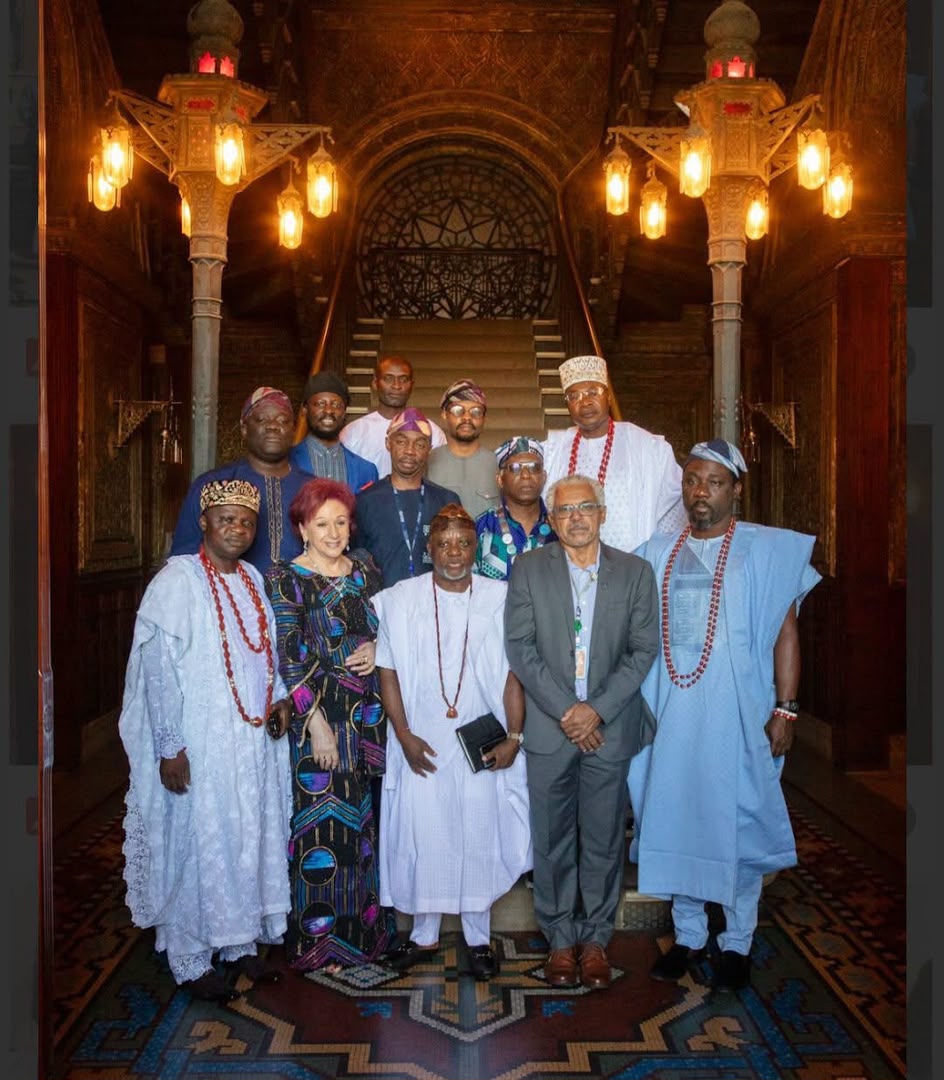
Representatives of the Ooni of Ife, His Imperial Majesty, Ooni Adeyeye Enitan Ogunwusi, CFR, Ojaja II, have called for global recognition and scientific validation of African traditional medicine as part of efforts to promote indigenous healthcare and sustainable development.
The delegation, which formed part of the Federal Republic of Nigeria’s team currently in Brazil, made the call during the Brazil-Nigeria High-Level Bilateral Meeting on Traditional Medicine and Scientific Cooperation held at the Oswaldo Cruz Foundation (Fiocruz) in Rio de Janeiro, Brazil.
The meeting focused on strengthening cooperation between Nigeria and Brazil in the areas of traditional medicine, medicinal plant research, technology transfer, academic exchange and public health innovation.
A statement issued on Saturday by the Senior Media Officer to the Ooni, Sodiq Lawal, said the meeting concluded with the adoption of a comprehensive implementation roadmap to guide bilateral cooperation in traditional medicine and related fields.

The delegation advocated a strategic partnership between Nigeria and Brazil that would combine indigenous knowledge with modern scientific research to improve healthcare delivery and promote sustainable development.
Representing the Ooni at the summit were the Director of Media and Public Affairs at the Ooni’s Palace, Otunba Moses Olafare, and the President of Oduduwa Heritage Home in Brazil and International Consultant to the World Orisa Congress (WOOCON), Ajoyemi Olabisi Osunleye.
The high-level meeting brought together representatives of Fiocruz, the Federal Government of Nigeria, the Royal Palace of the Ooni of Ife, Afe Babalola University (ABUAD), Harvard University, Brazil’s Ministry of Racial Equality and the African Pride delegation.
Participants explored opportunities to deepen South-South cooperation in traditional medicine, medicinal plant research, human milk banking and academic training.
The meeting also reaffirmed the commitment of both countries to scientifically validate traditional medicine practices and promote the integration of evidence-based indigenous healthcare into formal health systems.
Participants reviewed the ongoing Harvard-Brazil-Nigeria metabolomics research involving 68 medicinal plants traditionally used in the treatment of diabetes. Discussions were also held on expanding the research to cover other therapeutic products with potential medical value.
The summit further recognised a collection of about 500 medicinal plants that have already been studied and scientifically validated in Brazil, describing the body of knowledge as a strong foundation for future collaborative research between Nigerian and Brazilian institutions.

Another key outcome of the meeting was an agreement to support the establishment of a Human Milk Bank in Nigeria. The initiative is expected to leverage the technical expertise of the Pan American Health Organisation/World Health Organisation Collaborating Centre and the extensive experience of Fiocruz in the field.
The participants also linked the Brazil-Nigeria partnership to broader global climate initiatives, including the International Savanna Forum and COP31, scheduled to hold in September in Goiânia, Brazil.
They identified biodiversity conservation, healthcare innovation and social technology as critical areas for future collaboration, stressing the need for stronger international partnerships to harness Africa’s indigenous knowledge and natural resources for the benefit of humanity.
The development marks a significant step in efforts to strengthen Brazil-Nigeria cooperation and position African traditional medicine for greater international recognition through scientific research, validation and responsible integration into modern healthcare systems.