President Bola Ahmed Tinubu has officially signed into law Nigeria’s 2026 Appropriation Bill, setting total government spending at ₦68.32 trillion, while also approving an extension of the 2025 budget implementation period to June 30, 2026.
The newly enacted budget outlines ₦4.799 trillion for statutory transfers and ₦15.8 trillion for debt servicing. Recurrent expenditure is projected at ₦15.4 trillion, while a significant ₦32.2 trillion has been allocated to capital projects under the Development Fund.
With capital expenditure making up roughly half of the total budget, the administration says the plan reflects a strong focus on infrastructure development, economic stability, national security, and inclusive growth.
In a related move, the president also signed an amendment bill extending the capital component of the 2025 budget. The extension is intended to allow Ministries, Departments, and Agencies (MDAs) to complete ongoing projects and ensure efficient use of allocated funds, particularly for infrastructure initiatives nearing completion.
The 2026 budget took effect on April 1, with full implementation now underway. President Tinubu has directed all MDAs to ensure transparency, fiscal discipline, and timely execution of projects, emphasizing value for money in public spending.
He also praised the National Assembly for its swift passage of the budget and reaffirmed his administration’s commitment to collaboration between government arms to drive national development.
The government says it will continue to pursue fiscal reforms, improve revenue generation, and invest in sectors that promote economic growth, job creation, and stronger social protection systems across Nigeria.
The Federal High Court sitting in Ibadan, Oyo State, on Wednesday nullified the four-semester suspension earlier imposed on three students of the University of Ibadan for their role in a protest against an increase in school fees.
The affected students had been sanctioned by the university following their participation in a demonstration held in May 2024, which drew attention to concerns over rising tuition costs and the financial burden on students.
In its ruling, the court held that the disciplinary action taken by the institution was excessive and not in line with the principles of fairness and justice. The judge emphasized the importance of upholding students’ rights to peaceful expression while maintaining order within academic environments.
The judgment effectively sets aside the suspension, allowing the students to resume their academic activities without further hindrance.
The case has sparked renewed conversation around student activism, institutional disciplinary measures, and the balance between maintaining campus order and protecting fundamental rights.
Neither the university management nor representatives of the affected students had issued an official statement as of the time of filing this report.
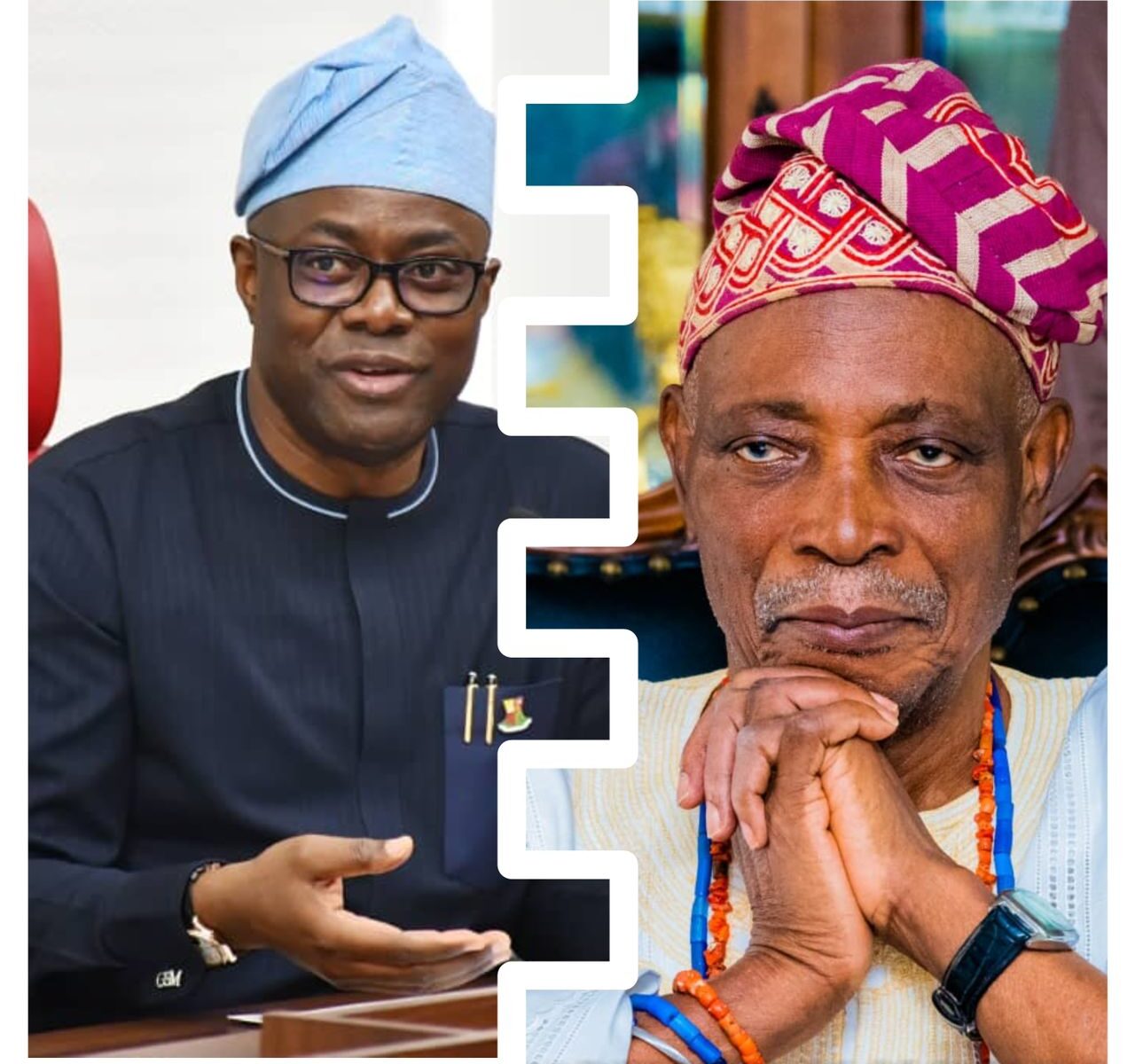
The wave of speculation surrounding the alleged impeachment of Oyo State Governor, Seyi Makinde, and the purported plan to dethrone the Olubadan of Ibadanland, Oba Rashidi Ladoja, has stirred concern across the state and beyond. Although no credible evidence has been presented to support either claim, the mere circulation of such rumours is enough to raise tension, deepen uncertainty, and distract public attention from more pressing issues of governance and development.
At a time when Oyo State requires calm, focus, and responsible leadership, any attempt to weaponise impeachment narratives or traditional institution controversies for political advantage would be reckless, destabilising, and deeply injurious to the public interest.
Impeachment is not a casual political tool. It is a grave constitutional process reserved for clear cases of misconduct or violation of public trust, not a device for political blackmail, distraction, or end-of-term power games. Governor Makinde is already in the closing phase of his administration, and it would be unreasonable to plunge the state into avoidable turmoil through unfounded plots or provocative rhetoric. Such an action, if seriously pursued, could trigger unnecessary political instability, weaken public confidence in democratic institutions, and create an atmosphere of anxiety within the state.
The same caution applies to the revered stool of the Olubadan of Ibadanland. The traditional institution remains one of the strongest symbols of identity, continuity, and communal harmony in Ibadanland. Any suggestion of dethronement, especially when driven by rumour or political calculation, carries dangerous implications. It risks undermining respect for traditional authority, provoking avoidable tension among subjects and interest groups, and tarnishing the dignity of an institution that commands both historical and cultural significance.
The implications of these alleged moves extend beyond Oyo State. In a democratic society, careless political scheming and the manipulation of traditional structures send the wrong signal to investors, development partners, and the wider international community. They project a climate of instability and elite conflict in a state that should instead be promoting order, institutional maturity, and economic progress. No society can thrive where baseless speculation is allowed to overshadow governance, peace, and the rule of law.
Those behind any such game plan, whether real or imagined, should immediately desist. The pursuit of narrow political interests at the expense of public peace is not only irresponsible but dangerous. Oyo State cannot afford actions or narratives capable of igniting division, weakening institutions, or heating up the polity unnecessarily.
Political actors, stakeholders, and opinion moulders must therefore exercise restraint and responsibility in both word and deed. Public discourse must not be polluted by sensational claims designed to create confusion or test the waters for unconstitutional and dishonourable conduct. Democracy must be protected through lawful engagement, while traditional institutions must be treated with the dignity they deserve.
At this critical moment, the people of Oyo State deserve stability, not scheming; maturity, not mischief; and progress, not provocation. Any attempt to impeach Governor Makinde without constitutional basis, or to unsettle the Olubadan stool through careless plots, should be rejected by all well-meaning citizens. Oyo State must not be dragged into needless crisis by those who place ambition above peace and responsibility.
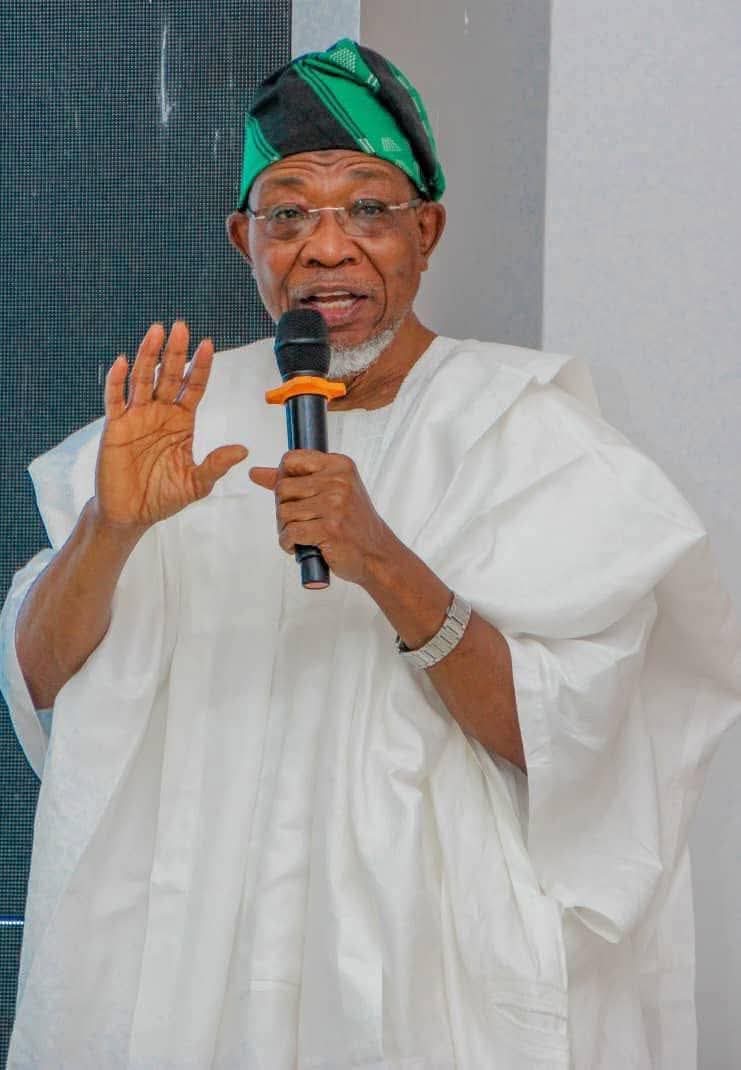
Former Minister of Interior, Rauf Aregbesola, has sharply criticized the “Renewed Hope” agenda of President , describing it as a “scam” amid worsening economic hardship and insecurity across the country.
Aregbesola, a former governor of Osun State, made the remarks while addressing a gathering of political associates and supporters, where he expressed deep concern over the current state of the nation. According to him, the promises encapsulated in the Renewed Hope agenda have not translated into tangible improvements in the lives of ordinary Nigerians.
He lamented the rising cost of living, persistent inflation, and the weakening purchasing power of citizens, noting that many households are struggling to survive. The former minister also pointed to the continued spate of insecurity in various parts of the country, arguing that the government has not demonstrated sufficient capacity to effectively address the challenges.
Aregbesola further called for urgent and decisive action to reverse the current trend, warning that public frustration is growing. He stressed the need for people-centered policies that directly address economic realities and restore confidence in governance.
While stopping short of outlining a detailed alternative framework, he urged leaders at all levels to prioritize transparency, accountability, and responsiveness to the needs of the populace. He also emphasized the importance of inclusive governance and dialogue in tackling the nation’s multifaceted challenges.
Reacting to the comments, some political observers described Aregbesola’s statement as a significant development within the ruling political space, given his past alignment with President Tinubu. However, supporters of the administration insist that ongoing reforms require time to yield results, urging Nigerians to remain patient.
As debates continue to trail the remarks, stakeholders say the criticisms reflect broader public concerns over governance and underscore the urgency of delivering meaningful reforms that can ease the burden on citizens and improve national security.
The lawmaker representing Iseyin/Itesiwaju State Constituency in the Oyo State House of Assembly, Hon. Dele Adeola, has extended warm birthday felicitations to the Deputy Governor of Oyo State, Barrister Bayo Lawal, describing him as a symbol of loyalty, wisdom, and administrative excellence.
In a statement made available to journalists on Tuesday, Adeola commended the Deputy Governor for his unwavering commitment to the growth and stability of Oyo State, noting that his support for Governor has significantly contributed to the success of the current administration.
The lawmaker lauded Lawal’s decades of experience in public service, emphasizing that his calm disposition and strategic counsel have continued to strengthen governance and foster unity across the state. He added that the Deputy Governor’s leadership style remains a source of inspiration to both emerging and established politicians.
Adeola further acknowledged Lawal’s dedication to grassroots development and his accessibility to the people, stating that his efforts have not gone unnoticed, particularly among constituents who benefit from people-oriented policies of the present government.
While wishing him many more years in good health and service, Adeola prayed for renewed strength, wisdom, and divine guidance for the Deputy Governor as he continues to serve the state with integrity and distinction.
The Speaker of the Oyo State House of Assembly, Rt. Hon. Adebo Ogundoyin, has denied allegations that he received money from APC proxies to facilitate the impeachment of Governor Seyi Makinde, describing the claim as false and politically motivated.
Reacting to the allegations, the Speaker said no money exchanged hands at any meeting, adding that the rumour was fabricated to tarnish his image and destabilise the state government and legislature.
“I was offered monetary inducement, but I declined without hesitation because no amount of money can buy my conscience or compromise my loyalty to the Governor, the party, and the people we were elected to serve. I remain fully committed to upholding the integrity of this House and will not be part of any agenda aimed at destabilising the government.”
Rt. Hon. Ogundoyin stressed that he would never betray the mandate of the people or undermine Governor Makinde’s administration.
He reaffirmed his unwavering loyalty to the Governor and the ruling party, and assured that no one would succeed in driving a wedge between him and the administration or derail the collective mandate they were elected to uphold.
The Speaker emphasised that under his leadership, the Assembly remains committed to constitutional order, good governance, and the collective interest of the people.
The Speaker said he has constantly and consistently carried Governor Seyi Makinde along in all his engagements.
On a separate claim linking his visit to the Olubadan of Ibadanland, Oba Rashidi Ladoja to political scheming, Rt. Hon. Ogundoyin clarified that the visit was purely consultative and took place weeks earlier before his consultation.
He said he met the monarch to inform him of his governorship ambition and seek his blessings, noting that the visit was rooted in respect and tradition.
He urged the public to disregard what he described as unfounded attempts to create division within the state’s political leadership.
The Concern Nigerian Youths for Good Governance (CNYGG) has passed a strong vote of confidence on the management of the Federal Roads Maintenance Agency (), led by Engr. Dr. Emeka Agbasi, commending its performance, reforms, and commitment to national development in line with President Bola Ahmed Tinubu’s Renewed Hope Agenda.
The group said its endorsement followed a comprehensive review of FERMA’s operational activities, particularly in road rehabilitation, institutional strengthening, and youth engagement across the country. It noted that the agency has recorded notable improvements in efficiency and service delivery under the current leadership.
CNYGG highlighted the growing impact of FERMA’s projects on youth employment, stating that thousands of young Nigerians have benefited directly and indirectly through road maintenance and rehabilitation works. Beneficiaries include engineers, technicians, artisans, machine operators, and support staff, while additional opportunities have emerged through supply chains, logistics, and local contracting services.
According to the group, these interventions have not only provided jobs but have also contributed to skills development and improved livelihoods for many youths previously without stable income. It described the development as a practical example of inclusive governance and economic empowerment.
The organisation also commended the management’s attention to staff welfare, particularly the proposed Job Peculiar Allowance aimed at improving remuneration despite FERMA’s non-revenue-generating structure. It further praised ongoing engagements with key institutions such as the National Salaries, Incomes and Wages Commission and the Budget Office of the Federation as evidence of proactive leadership.
CNYGG described Engr. Dr. Emeka Agbasi as a “capacity-driven and result-oriented leader,” noting that his leadership style reflects the core objectives of the Renewed Hope Agenda championed by President , particularly in the areas of job creation, infrastructure renewal, and inclusive growth.
While expressing satisfaction with FERMA’s current trajectory, the group urged the management to sustain its momentum, deepen youth-focused programmes, and ensure timely completion of ongoing road projects nationwide. It also called on stakeholders to continue supporting the agency to consolidate ongoing reforms.
CNYGG reaffirmed its commitment to promoting good governance, youth empowerment, and policies that drive sustainable national development across Nigeria.
A member of the Oyo State House of Assembly representing Iseyin/Itesiwaju State Constituency, Hon. Dele Adeola, has distanced himself from reports of alleged plot to impeach Governor Seyi Makinde.
Adeola, in a statement made available to journalists in Ibadan, said he was never part of such meeting and not until recent viral news, he had no knowledge of such. He categorically denied attending any meeting where plans were discussed to oust the governor, insisting that he remains committed to constitutional governance and the stability of Oyo State.
The lawmaker also refuted allegations that he received any financial inducement to support such a move, stating that at no point was he offered or did he accept money to participate in any impeachment arrangement. According to him, the reports aimed at creating unnecessary tension within the state’s political space and urged public to be vigilant.
“I want to state unequivocally that I was not part of any meeting to impeach the governor, nor was I approached with any money to carry out such an act.,” he said.
Adeola further reaffirmed his loyalty to the leadership of the Assembly and his commitment to working harmoniously with the executive arm under Governor Makinde to deliver dividends of democracy to his constituents.
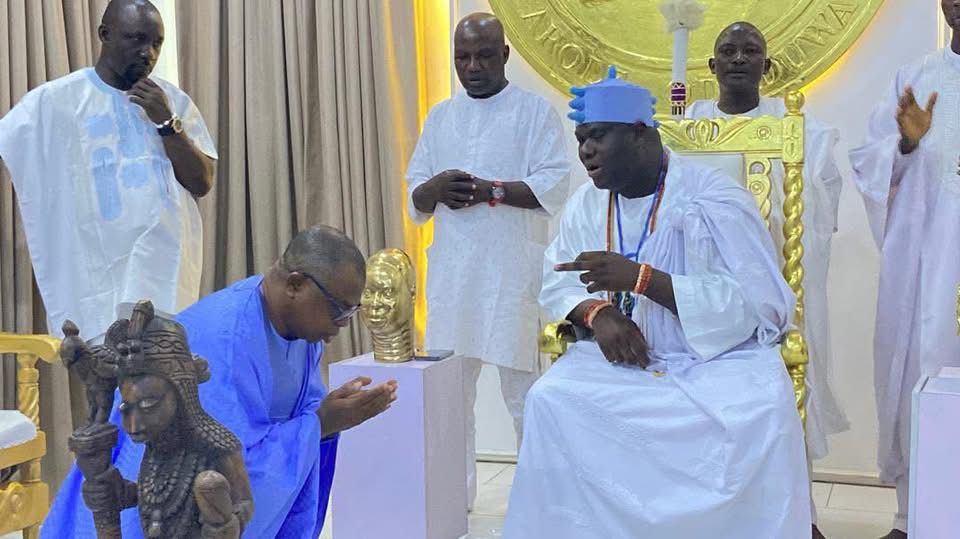
The Ooni of Ife has hosted the Bola Oyebamiji at the Ile Oodua Palace in Ile-Ife, offering ancestral prayers and royal blessings as the governorship campaign season approaches in Osun State.
Oyebamiji, popularly known as AMBO, visited the monarch alongside his running mate, Kayode Adereti, the Osun State APC Chairman, Tajudeen Lawal, and other party leaders and supporters.
During the visit, the APC candidate commended the Ooni for promoting Yoruba unity and preserving cultural heritage.
He explained that the visit was guided by the advice of Bola Ahmed Tinubu, who encouraged him to seek royal blessings before launching his campaign, citing Ile-Ife’s historic significance.
Oyebamiji pledged commitment to good governance and assured the people of Osun State of inclusive development if elected.
In his remarks, the Ooni praised the candidate’s humility and respect for traditional institutions, stressing that leadership requires service, sacrifice, and unity.
He also urged political actors to avoid division and embrace reconciliation, while reiterating the neutrality of traditional rulers in partisan politics.
The monarch concluded the visit with special prayers for Oyebamiji, seeking wisdom, guidance, and success in the forthcoming governorship ambition
Tension has intensified in Ibadan following allegations of a staggering N1 billion plot to impeach Governor Seyi Makinde, sparking widespread reactions across the state’s political space.
The development comes on the heels of an emergency meeting of the Oyo State House of Assembly held at the Governor’s Lodge, where lawmakers deliberated on what was described as a calculated attempt to destabilize the government through a legislative coup.
Despite the headline figure, sources within the Assembly alleged that the plot involved offering individual lawmakers N10 million each to support the impeachment move. The claims have since triggered denials and counter-statements, with several legislators distancing themselves from the alleged arrangement.
In a public statement, Gbenga Oyekola, Chief Whip of the Assembly, warned that “agents of disunity” were working to pitch the legislature against the executive arm. He firmly dissociated himself from any such move, reaffirming his loyalty to Governor Makinde and insisting he was neither consulted nor involved in any plan capable of disrupting the peace of Oyo State.
The statement also referenced disclosures allegedly made by the Speaker, Rt. Hon. Debo Ogundoyin, who was said to have rejected overtures tied to political ambitions and financial inducements. Meanwhile, the name of Florence Ajimobi has surfaced in connection with the alleged plot, though no concrete evidence has been made public, and the claims remain strongly disputed.
In a show of unity, lawmakers loyal to Governor Makinde reportedly converged on his residence to pledge continued support for his administration. Also speaking, Waheed Akintayo dismissed the impeachment rumours as the handiwork of desperate elements bent on sowing discord, maintaining that the Assembly remains committed to governance, stability, and the progress of the state.
Political observers say the situation reflects rising tension within the state’s political environment, even as calls grow louder for restraint and unity to preserve democratic order in Oyo State.