No Hiding Place for Bandits in Yorubaland — Ooni Issues Stern Warning

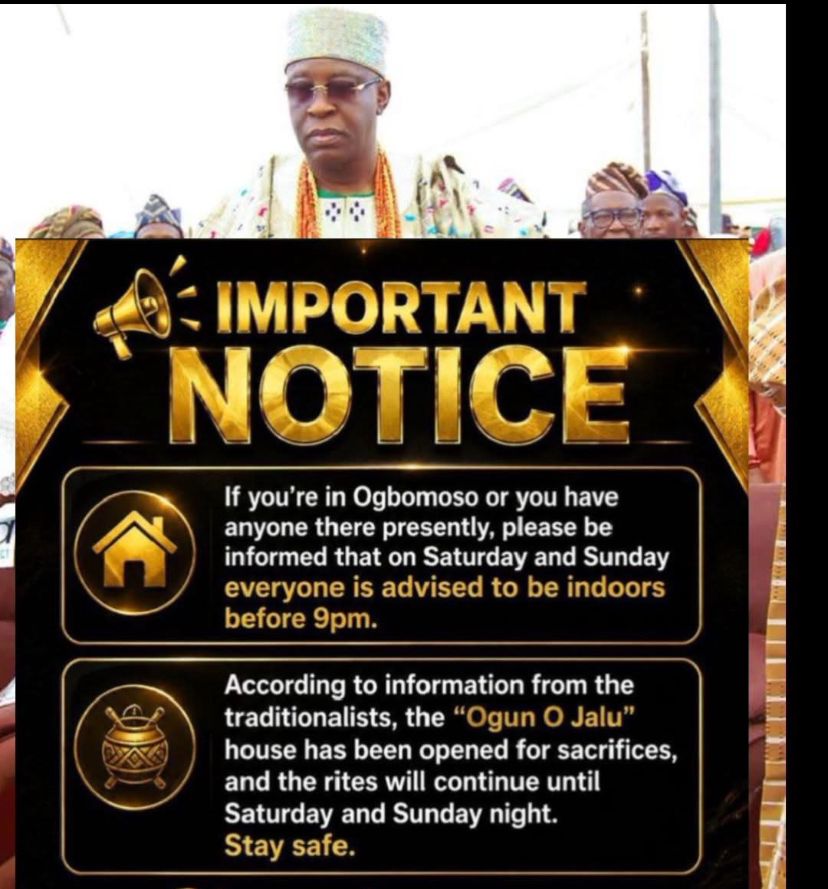
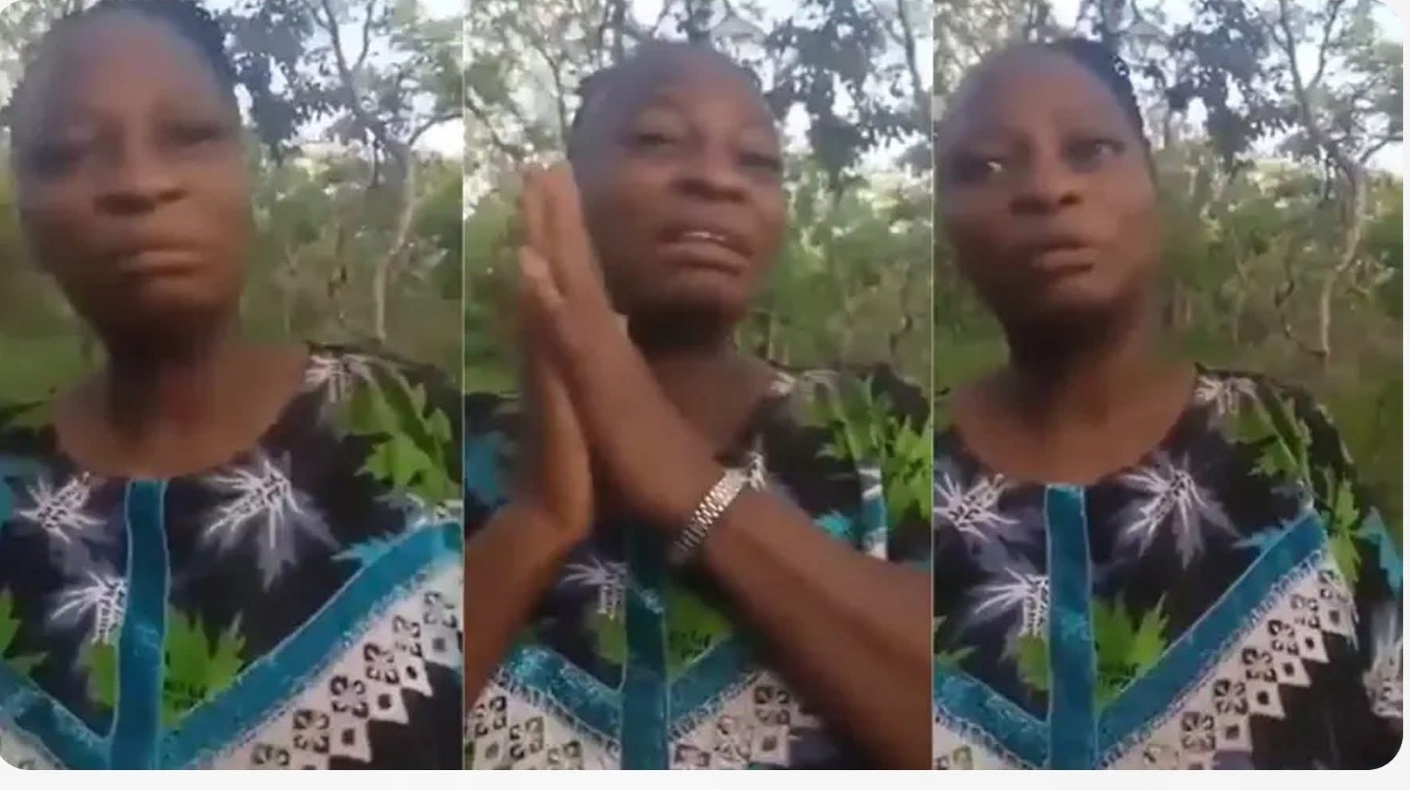
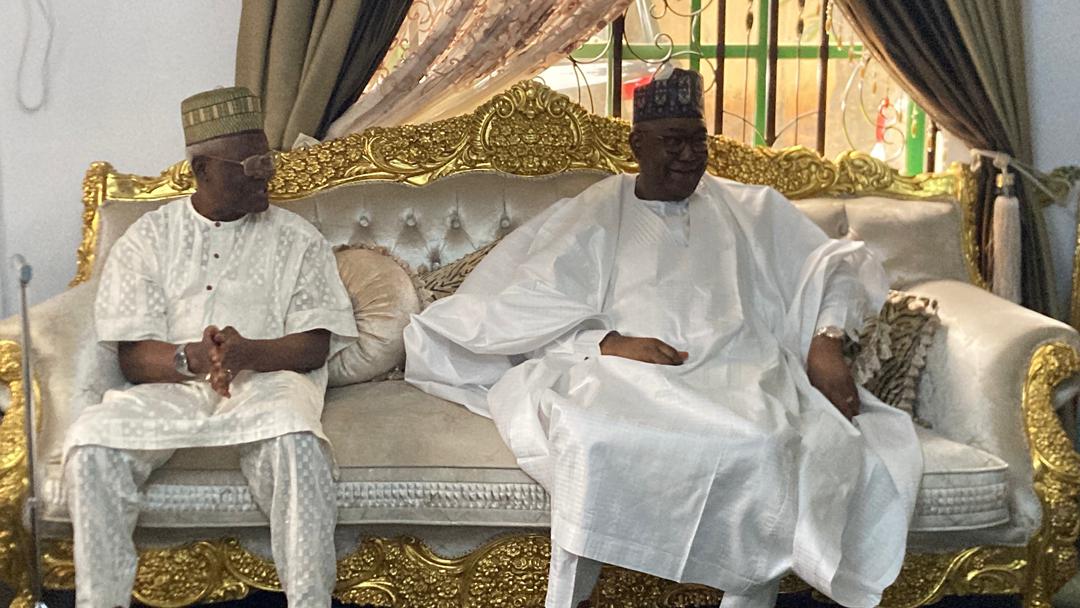
The Oba Adeyeye Ogunwusi, the Ooni of Ife, has issued a bold warning to terrorists and bandits reportedly creeping into the South-West region of Nigeria — saying they will be confronted “headlong” and “sent back”.

Speaking on Friday, the monarch affirmed that the South-West — long regarded as a safe and hospitable region — is “aware of the gradual incursion” by criminal elements. He added that traditional institutions across the region are mobilising local security networks and strengthening community defences.

Ooni Ogunwusi used the occasion to call for unity behind the federal government, urging citizens to “support” Bola Tinubu’s administration in its national-security efforts. He stressed that security should not be politicised.

According to the monarch, intelligence has confirmed movement of terrorists toward the South-West — but local guards, forest watchers and community vigilantes are now on alert. He stated without equivocation: “We are facing it headlong … we have intelligence information … they are coming closer to us, and we’re going to send them back.”

This warning comes amid rising concerns over banditry and infiltration of Southern forests, with states in the South-West already tightening security along border regions and deploying tactical teams to forest belts.

OPay unveils new Ibadan office, expands commitment to financial inclusion in Nigeria

OPay Digital Services Limited has officially launched its new Ibadan Office, reinforcing the company’s commitment to expanding safe, secure, accessible, and innovative financial services to individuals and businesses across Nigeria.

The launch event, held on Thursday at the OPay Office in Ibadan, brought together business leaders, partners, merchants, agents, and members of the media. The new Ibadan location will serve as a strategic support centre, improving service delivery for merchants, SMEs, corporate clients, and millions of OPay users across Oyo State.

Speaking at the event, Elizabeth Wang, Chief Commercial Officer, OPay Digital Services Limited, emphasized that the opening of the new Ibadan office reflects OPay’s unwavering commitment to customer satisfaction and its broader nationwide expansion strategy.

Lagos State Slashes Agency Fees to 5% as New Tenancy Law Reshapes Renting in 2025

Lagos tenants can finally breathe easier. In a landmark move set to redefine the rental landscape, the Lagos State Government has reduced agency fees on rental properties to a standard 5%, ending years of widespread complaints about excessive commissions ranging from 10% to 20%.

But that is only one part of a sweeping reform.

The newly signed Tenancy Law 2025 is being hailed as a game-changer—one that brings long-awaited structure, fairness, and protection to millions of Lagos residents and property owners.

Below is a comprehensive breakdown of the key changes.

🔹 Major Highlights of the Tenancy Law 2025

  1. No More Outrageous Upfront Rent Demands

For decades, Lagos tenants have endured:
• Two years’ rent upfront
• 18-month advance payments
• “Pay before you even enter” policies

The new law has ended this.

The New Rule:
• Maximum 3 months upfront for monthly rent
• Maximum 1 year upfront for yearly rent

A massive relief for tenants across the state.

  1. Agency Fee Now Capped at 5%

Agents can no longer charge whatever they please.

The New Rule:
• Maximum commission: 5% of annual rent
• Eliminates 10%, 15%, and even 20% agent/agreement fees

This reform aligns Lagos with global real estate standards.

  1. Rent Increases Must Come With Proper Notice

Lagos tenants are now protected from sudden, shocking rent hikes.

The New Rule:
Landlords must:
• Issue a written notice before any rent increment
• Provide reasonable time for tenants to prepare

This ensures transparency, fairness, and peace of mind.

  1. Illegal Evictions Are Now Criminal

No landlord can:
• Change your padlock
• Throw out your belongings
• Use thugs to force you out
• Harass or intimidate you into leaving

The New Rule:
• A court order is now mandatory for any eviction
• Illegal eviction is now a criminal offence

Tenants now have real, enforceable protection.

  1. Faster Dispute Resolution

The new law introduces:
• Clear conflict-resolution channels
• Virtual hearings to reduce delays
• Faster access to justice for both landlords and tenants

This modernised process cuts out unnecessary bottlenecks.

What This Means for Lagos

The new Tenancy Law:
• Makes renting more affordable
• Strengthens tenant rights and protections
• Gives landlords a clear legal framework
• Reduces tension and conflict
• Encourages fairness and transparency in the housing market

For Nigeria’s economic capital, this is more than a policy shift—it is a structural transformation of the rental ecosystem.

Insecurity: Southern Govs, Traditional Rulers Meet in Ogun to Shape Regional Agenda

Governors from Nigeria’s southern states are gathering today in Iperu, Ogun State, for a high-level meeting of the Southern Governors’ Forum aimed at addressing key national challenges and strengthening regional cooperation.

The session, slated for 10:00 a.m. at the Iperu home of the Ogun State Governor and Forum Chairman, Prince Dr. Dapo Abiodun, MFR, was confirmed in a statement issued by the governor.

In a bid to deepen consensus and broaden perspectives, the governors will later engage the Southern Traditional Rulers Council at 1:00 p.m. The joint meeting will focus on shared regional concerns and ways to enhance synergy between political and traditional institutions.

Ahead of the gathering, Governor Abiodun shared his excitement on his official X (formerly Twitter) handle as he welcomed early-arriving monarchs and regional leaders.

“Their visit provided an opportunity to deepen ongoing engagements and align our shared expectations ahead of the meeting,” he noted.

He further underscored the importance of their counsel, saying, “We value the presence of our royal fathers and regional leaders, whose wisdom and guidance continue to enrich our processes.”

Reaffirming his commitment as host, Governor Abiodun pledged to maintain an atmosphere conducive to honest dialogue and stronger collaboration among all stakeholders, “as we work together for the peace, stability, and development of our region—and the nation at large.”

Today’s meeting is expected to advance earlier resolutions of the Forum, which has consistently pushed for enhanced cooperation on security, economic growth, and infrastructure across the southern states.

SWDC, Nigerian Railway Corporation Sign MoU to Link Rail Networks Across South-West States

The South-West Development Commission (SWDC) has signed a landmark Memorandum of Understanding (MoU) with the Nigerian Railway Corporation (NRC) to initiate an ambitious regional railway connectivity project that will link all six states of the South-West geopolitical zone.

The agreement, signed on Thursday in Abuja, marks a major step toward modernising transportation infrastructure and deepening economic integration across Lagos, Oyo, Ogun, Osun, Ondo, and Ekiti States.

Speaking at the signing ceremony, the Managing Director of the NRC described the partnership as a transformative leap for regional mobility, noting that enhanced rail connectivity would reduce travel time, open trade corridors, and stimulate industrial development within the region.

According to the SWDC leadership, the rail initiative is designed to support the region’s long-term development blueprint by providing efficient transport for both passengers and freight. It will also ease pressure on roads, reduce logistics costs for businesses, and promote urban–rural linkages.

Funding for the project will be drawn from the SWDC budget and a structured Public–Private Partnership (PPP) model, allowing private investors to participate in financing, construction, and management. Officials explained that this blended financing approach will ensure sustainability, transparency, and timely execution of the project.

The planned rail network will integrate with existing national lines while creating new intra-regional routes capable of boosting tourism, agriculture, and manufacturing. Feasibility studies and technical assessments are expected to begin immediately, with phased implementation to follow.

Stakeholders from the six South-West states have welcomed the development, describing it as a visionary step that aligns with global best practices in regional infrastructure development.

The MoU signals the start of what many anticipate will become one of the most impactful infrastructural investments in the history of the South-West.

Experts Push for Home-Grown Economic Models to Steer Nigeria’s Future Amid Rising Global Uncertainty

Nigeria’s leading macroeconomic thinkers under the aegis of Nigeria Association of Macroeconomic Modellers have issued a strong call for a new generation of locally developed economic models capable of capturing the country’s complex realities and guiding long-term development.

This position was declared at the 2025 International Hybrid Conference of the Nigeria Association of Macroeconomic Modellers (NAMM), held from 26–27 November at the University of Ibadan, with the theme: “Policy Innovations for Economic Recovery, Structural Transformation, and Digital Macroeconomic Modelling.”

At a high-level gathering of economists, policymakers and data scientists in Ibadan, participants argued that Nigeria can no longer rely on economic frameworks borrowed from other countries whose structures differ significantly from its own. They warned that doing so risks repeated policy failures, shallow recoveries and misdiagnosed economic problems.

A former senior official of the Central Bank of Nigeria (CBN), Dr. Mohammed Tumala, noted that Nigeria’s recurring cycles of instability are rooted in unresolved structural distortions that conventional models fail to explain. He maintained that real progress requires tools designed around Nigeria’s unique economic architecture — from its informal sector and institutional bottlenecks to its commodity-dependence and demographic pressures.

Tumala emphasized that the global economy is in the middle of a dramatic shift driven by digitalisation, where value is increasingly tied to intangible assets. Without strengthening its data systems, technological capacity and analytical institutions, he said, Nigeria risks widening its developmental gap.

He further highlighted that global disruptions from the 2008 financial crisis to more recent shocks exposed the shortcomings of outdated modelling tools, not the absence of data. According to him, economic management in the digital age must be grounded in modern statistical infrastructure and innovative research methods.

NAMM President, Prof. Phillip Alege, underscored the association’s plan to develop a Nigerian structural transformation model that can support policy choices in an era of unpredictable global dynamics. He stated that Africa needs analytical tools capable of simulating institutional behaviour, political incentives, household dynamics and informal sector activities which are variables largely overlooked by traditional models.

“This is a forward-looking effort to build the analytical architecture that will shape Nigeria’s economic direction for decades,” he said.

Across board, participants agreed that Nigeria must embrace sophisticated modelling techniques, including real-time digital data, agent-based simulations and integrated national statistical systems, to reflect the full complexity of its economy and chart a durable path to development.

Southern Govs, Traditional Rulers Meet in Iperu, Adopt Key Resolutions on Security, Regional Cooperation

Southern governors and traditional rulers from across the South-West, South-East, and South-South converged in Iperu, Ogun State, on Wednesday for a joint meeting hosted by Governor Dapo Abiodun. The high-level gathering focused on strengthening regional security, deepening cooperation, and advancing shared development priorities.

In a statement issued after the meeting, Governor Abiodun said the forum reaffirmed its collective commitment to the unity, stability, and peace of Nigeria, while also addressing urgent challenges affecting the southern region. He noted that the governors and traditional rulers reviewed the security situation nationwide and extended their condolences to President Bola Ahmed Tinubu over the recent loss of military personnel in Borno, as well as the mass abductions recorded in Kebbi, Kwara, and Niger States.

The participants commended President Tinubu for ongoing efforts to stabilize the economy, reduce inflation, rehabilitate security institutions, and deliver landmark infrastructure projects such as the Lagos–Calabar Coastal Road and the Sokoto–Badagry Superhighway.

At the end of deliberations, the forum adopted several resolutions, including the creation of a zonal security fund, the establishment of an enhanced intelligence-sharing framework, renewed advocacy for State Police, a unified resident identification programme, and stronger support for local and regional security outfits. Member states were also urged to work with traditional rulers to regulate land allocation and curb illegal mining activities posing security and environmental risks.

The governors and traditional rulers jointly passed a vote of confidence in President Tinubu, reaffirming the long-standing position of the southern region as captured in the 2021 Asaba Accord, which advocated for a President of Southern extraction.

Governor Abiodun stressed that Southern Nigeria remains united and committed to peaceful coexistence across religious and cultural lines. He added that the region would continue to work collaboratively with the Federal Government to promote peace, prosperity, and inclusive progress for all Nigerians.

Oyo Lawmaker, Dele Adeola Backs Innovation Drive, Says Youth Empowerment Key to Oyo’s Sustainable Future

Hon. Dele Adeola, member of the Oyo State House of Assembly, has reaffirmed his commitment to youth-centered innovation while expressing strong support for initiatives that prepare young Nigerians for the future of automotive technology and advanced manufacturing.

Speaking to newsmen through his respresentative, Comrade Ismael Taiwo at the programme titled “Driving the Future: Empowering Nigerian Youth through Automotive Innovation,” Hon. Adeola noted that the initiative reflects the broader vision of Oyo State Governor, Engr. Seyi Makinde, whose administration continues to invest in skills development, technology adoption, and economic opportunities for young people across the state.

He highlighted that Governor Makinde’s roadmap for sustainable development places youth empowerment at its core, emphasizing technical education, digital readiness, and industrial capacity-building. According to Hon. Adeola, programmes that expose young people to modern automotive design, electric mobility, mechatronics, and innovation ecosystems complement the Governor’s ongoing reforms in education, infrastructure, and job creation.

Hon. Adeola stressed that the global automotive industry is undergoing rapid transformation, and Nigeria must position its youth to take advantage of these emerging opportunities. He stated that empowering young people with practical skills and innovation-driven training aligns with Oyo State’s long-term economic growth strategy under the Omi-Titun 2.0 agenda.

He further assured that the Oyo State House of Assembly will continue to support legislative frameworks that promote technology, entrepreneurship, and youth-focused industrial development. According to him, the state is committed to nurturing a generation of creators and problem-solvers who can drive both local and national competitiveness.

Hon. Adeola encouraged participants to embrace the knowledge offered through the programme, adding that the future belongs to those who are equipped, innovative, and willing to lead in a technology-driven world.

Inspector of Police Stabbed To Death In Ondo State

An inspector of police attached to the B-Division Police Station in Akure, Ondo State, has reportedly been stabbed to death by an alleged thug with links to local cult groups.

The officer, who was recently transferred from the Anti-Cultism Unit to B-Division, was killed at Oke Arata, beside Arakale, in the state capital.

Eyewitnesses identified the suspects as Oladapo Oluwaseun, also known as “Choko Milo,” a member of the Eiye Confraternity, alongside Shina and Y2K, who are reportedly affiliated with the Aye Confraternity.

The trio reportedly attacked the officer during a disturbance in the area.

Meanwhile, Choko Milo is both an appointee and a loyalist of Governor Lucky Ayedatiwa.

The motive behind the attack remains unclear, and authorities are yet to release official details regarding the confrontation.

Oduduwa News also learned that “Choco Milo” was among those who attacked protesters, including human rights activist Omoyele Sowore, during the June 12 demonstration in Akure, the Ondo State capital.

On June 12, Sowore accused Ondo State Police Command of collaborating with thugs to attack peaceful pro-democracy protesters in the state as demonstrations against bad governance, economic hardship, and other national issues swept across several states.

“We just witnessed a disturbing incident here in Ondo State; thugs and policemen working together to attack pro-democracy activists during a peaceful protest. We saw them with our own eyes. The police were clearly collaborating with the thugs as they beat up protesters. It was very, very sad,” Sowore said in a video.

“I hope the world is watching this. Today is supposed to be June 12, Democracy Day, a day meant for peaceful protest and reflection. Yet, thugs showed up alongside the police to violently suppress citizens exercising their democratic rights.”

He continued, “We saw the thugs shouting and attacking people. They tried to attack me too. They had clearly marked me out, but we left the scene so we could report this to the world. It’s truly pathetic that in a country where people fought and died for democracy, thugs have now taken over the democratic space, with the active support of the Nigerian Police.

“This is happening in Ondo State, and we will keep moving around to monitor the situation and ensure that anyone who is arrested or attacked today receives support and justice.

“The protest in Akure started peacefully, but was violently disrupted by thugs brought in by the state government, working hand-in-hand with the police.

“We even captured it live; thugs shouting that is Sowore (Sowore niyen!) as they tried to attack me. They had clearly singled me out.”

In September, Ondo State Government appointed a group of men, including individuals accused of attacking pro-democracy activists during the June 12 Democracy Day protest in Akure, as coordinators of commercial tricycle (Keke) riders in Akure South Local Government Area.

A government appointment letter dated September 15, 2025, signed by Comrade Bola Taiwo, Special Adviser to the Governor on Union Matters and Special Duties, confirmed the appointments of Robert Tolulope, Oladapo Oluwaseun, aka Choco Milo; Gbenga Aluko; John Oluwatimilehin, aka Gaga, and Faleye Oluwadamilare, aka Aperi.

The appointees were directed to report to the “office of the Special Adviser, Special Duties, on the progress and challenges faced by the riders under your jurisdiction on a weekly.

Gbenga Hashim’s 2021 Call for Defence Cooperation Reemerges Amid U.S. Warning to Nigeria

A renewed wave of online conversations has thrust former presidential candidate and 2027 hopeful, Gbenga Hashim, back into national focus as Nigerians revisit a major national security proposal he made more than four years ago.

The discussions, trending under the hashtag #HashimSecurityVision, have dominated the platform X (formerly Twitter) over the past 24 hours.

The resurgence follows the reappearance of Hashim’s 2021 recommendation urging the Nigerian government to sign a Defence Cooperation Agreement (DCA) with friendly nations. At the time, he argued such an alliance would provide Nigeria with access to global intelligence frameworks, advanced surveillance and combat technologies, and superior counter-terrorism expertise—resources he described as critical to confronting the country’s deepening insecurity.

With the U.S. president now issuing strong warnings over escalating violence in Nigeria, many citizens online say Hashim’s proposal shows striking foresight.

Commentators have described the rediscovered recommendation as evidence that Hashim not only understood Nigeria’s security vulnerabilities early, but also accurately assessed the structural weaknesses undermining the nation’s defence capacity. For many, this reinforces the argument that Nigeria needs precisely the sort of visionary, long-term leadership he represents, especially at a time of heightened diplomatic tensions and worsening internal security.

The conversation has also revived interest in another of Hashim’s policy documents—his $4 trillion economic revival plan, first published in 2018. The blueprint, which outlines strategies for large-scale industrialization, infrastructure expansion, and job creation, has resurfaced amid Nigeria’s persistent economic struggles, including inflation spikes, currency depreciation, and slowed growth.

Observers say the renewed attention to both proposals—one from 2018 and another from 2021—has strengthened Hashim’s image as one of the country’s most forward-thinking political figures.

Unlike many politicians whose public engagement revolves around personal rivalries or power contests, Hashim has consistently presented issue-driven frameworks, emphasizing structural reforms, economic modernization, and comprehensive security transformation.

Political analysts note that this sustained policy focus is what distinguishes him.
“Hashim stands out as Nigeria’s thinking politician,” one analyst wrote, “because his politics is anchored on ideas, not noise.”

As Nigeria confronts overlapping pressures—diplomatic strain, economic downturn, and persistent insecurity—the resurgence of Hashim’s past proposals may indicate a growing public appetite for leaders with clear, strategic vision rather than short-term political maneuvering.

Whether the online momentum will translate into broader political support remains uncertain. But the digital trend suggests that more Nigerians are revisiting the voices that warned early—and proposed solutions long before today’s crises intensified.

You cannot copy content of this page