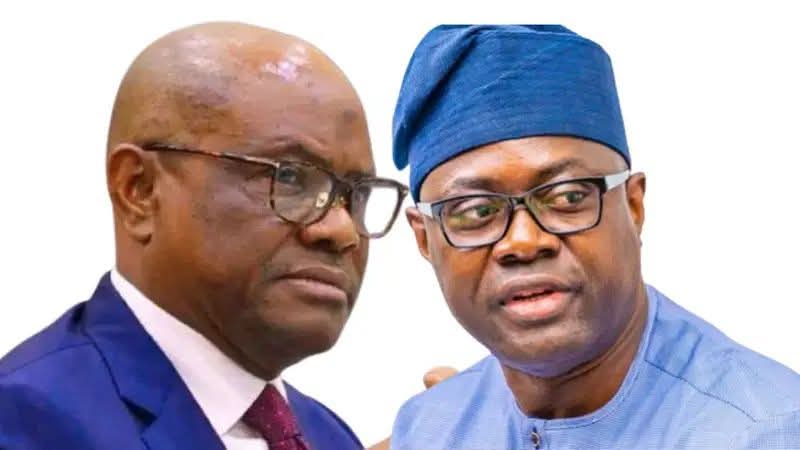
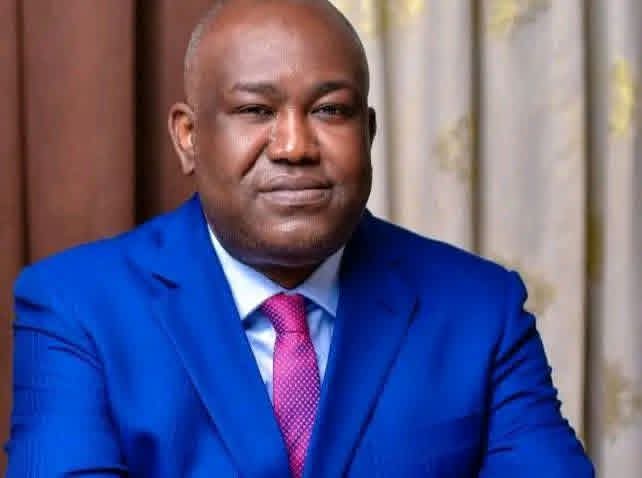
The Oyo State Government has dismissed as false and provocative, claims by the Minister of the Federal Capital Territory, Nyesom Wike that the Federal Government gave the state N50 billion for the reconstruction of the Ibadan airport.
The government in a press statement signed by the Special Adviser on Media to Governor Seyi Makinde, Dr Sulaimon Olanrewaju on Monday, said the Federal Government did not give Oyo a kobo for the airport project.
According to the statement, President Bola Tinubu’s minute on the proposal submitted to him by Governor Makinde was
“Approved at no cost to the Federal Government”, adding that the records are with the presidency and the Oyo State Government.
The Lagos State Consumer Protection Agency (LASCOPA) has warned residents against buying suspected adulterated palm oil, following concerns over increasingly sophisticated methods being used to manipulate the popular cooking oil.
The warning followed a technical presentation at the 2026 Lagos State Food Safety Conference and Exhibition by Dr Nurah Oseni, a Senior Lecturer in the Department of Food Technology at Auchi Polytechnic. In her paper, “Palm Oil Adulteration: Emerging Risks, Detection Strategies and Regulatory Control,” Oseni identified the use of potentially carcinogenic Sudan and Azo dyes among emerging methods of adulterating palm oil.
She also raised concerns about the practice of mixing palm oil with recovered or recycled oils, including spent cooking oil, as well as the use of multiple adulterants designed to evade basic quality checks. According to her, palm oil is particularly vulnerable because of its high volume of trade, consumers’ preference for deep-red colour, price differences and informal market practices.
Oseni advised consumers to carry out visual checks as an initial precaution, noting that genuine palm oil may naturally separate into layers, with the lower portion appearing orange to red-yellowish rather than uniformly deep red. She, however, stressed that visual inspection alone cannot confirm whether palm oil has been adulterated, making laboratory testing important for reliable detection.
The General Manager of LASCOPA, Afolabi Solebo, urged Lagos residents to remain vigilant and report suspected adulterated palm oil and unscrupulous traders through the agency’s official channels. He said market surveillance had been intensified across the state and warned that persons found selling adulterated products would be arrested and prosecuted under relevant laws.
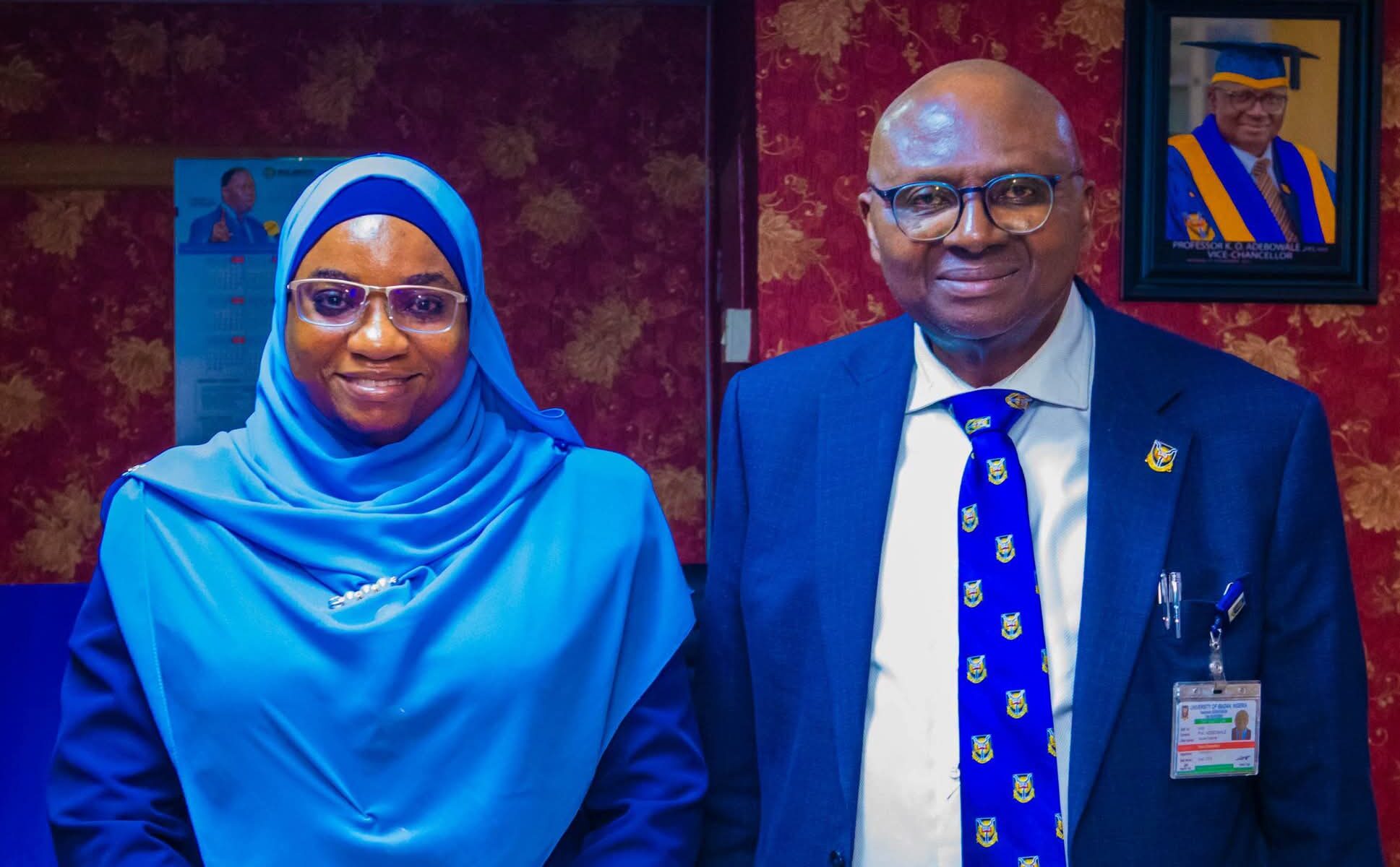
The Vice-Chancellor, University of Ibadan, Professor Kayode O. Adebowale, mni, FAS, fspsp, has described the appointment of the first female Bursar of the university in its 78-year history as a reflection of its enduring tradition, culture and commitment to excellence.
He made this statement at the assumption of office of the new Bursar, Mrs Mariam Adetoun Zakariyah, FCA.
Professor Adebowale asserted that the foundation of the University of Ibadan was laid on an enduring foundation of excellence.
He commended the outgoing Bursar, Mr Adewuyi Popoola, for maintaining the University’s financial stability throughout his tenure.
He said that the process that saw the appointment of the new Bursar was fair, adding that it was without gender or religious bias.
The Vice-Chancellor reiterated that the University of Ibadan was established on a tradition of smooth transition, which he identified as one of the sources of its institutional strength.
He stated that the reputation of UI extended beyond its immediate environment, stressing that its activities are rooted in a commitment to excellence, integrity and service.
He described the appointment of Mrs Zakariyah as a significant milestone, noting that the enduring foundation of UI has sustained its reputation as the first and best university in Nigeria.
The VC emphasised that the standing of UI is not determined merely by its physical structures, but by the way it conducted its affairs and uphold sound values.
The new Bursar, Mrs Mariam Adetoun Zakariyah, FCA, expressed appreciation to the Vice-Chancellor for ensuring that the appointment process was fair and seamless.
She reaffirmed her commitment to lead the Bursary in fulfilling its mandate and ensure effective service delivery.
Mrs Zakariyah promised to deploy her expertise to justify the confidence reposed in her, while soliciting continued support from the universiy management.
The Chief Imam of the University of Ibadan, Professor Ibrahim Olatunde Uthman and the Chaplain of Chapel of the Resurrection, The Venerable Dr. Victor Idowu Oladele, offered prayers for a smooth transition and a successful tenure of the new Bursar.
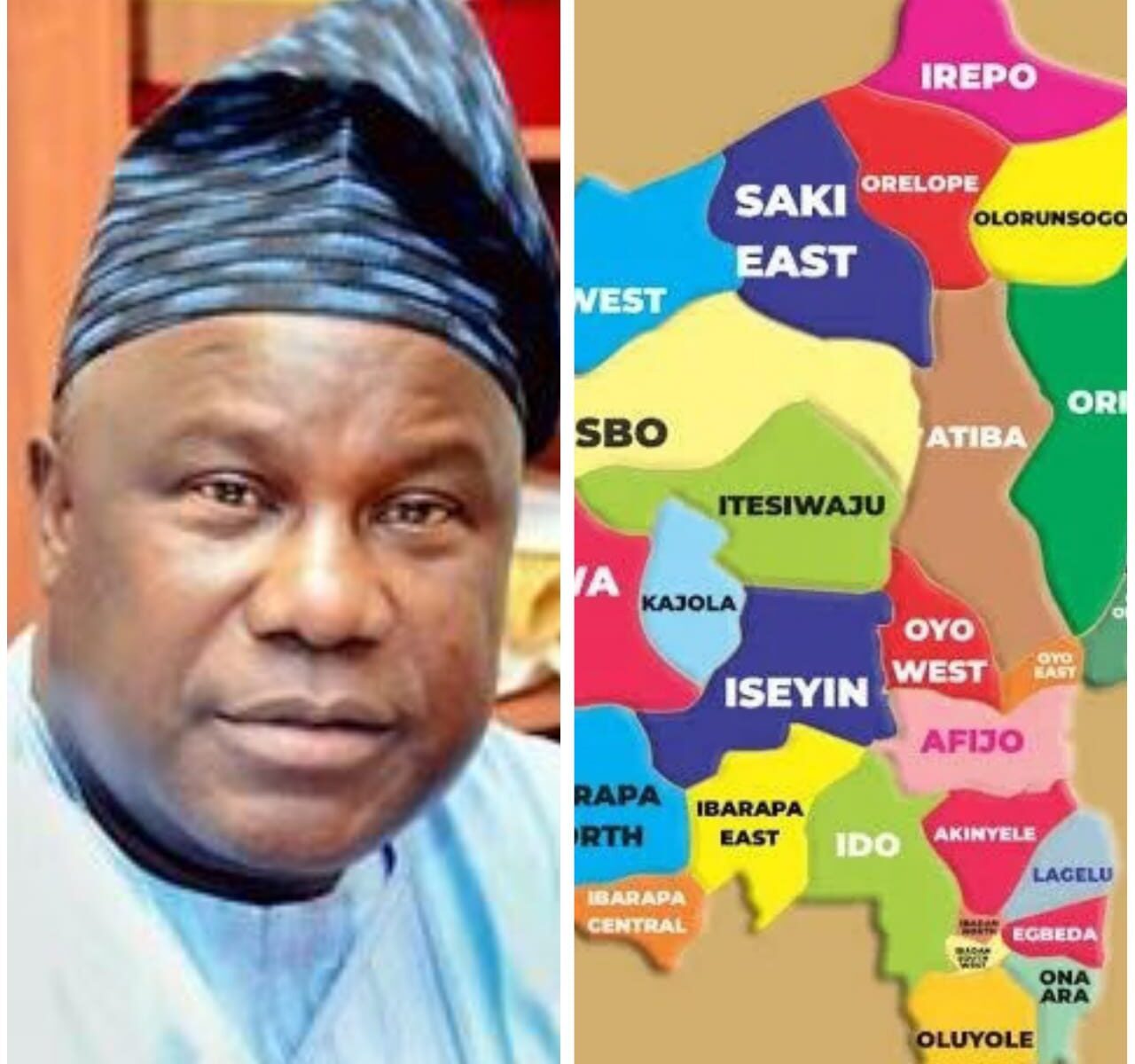
A support group of friends and family called “Boys4Bidon” has rallied support for the ambition of Okunrin Jeje Abiodun Oni, who is contesting for the House of Representatives seat in the Irepo/Orelope/Olorunsogo Federal Constituency.
As part of their efforts, the support group generously donated four boreholes to be located in Kishi, Igboho, Igbope, and Igbeti, along with solar lights for the town halls in these four major towns within the constituency. This donation is part of the group’s commitment to helping Okunrin Jeje Abiodun Oni give back to and light up his constituency.
Expressing his appreciation for the gesture, Okunrin Jeje Abiodun Oni explained that when he commenced his community engagement, residents shared that traveling long distances to fetch water was one of their major challenges. He noted that the timely support from Boys4Bidon in providing these boreholes and solar lights will significantly mitigate the water scarcity and lighting challenges in the area.
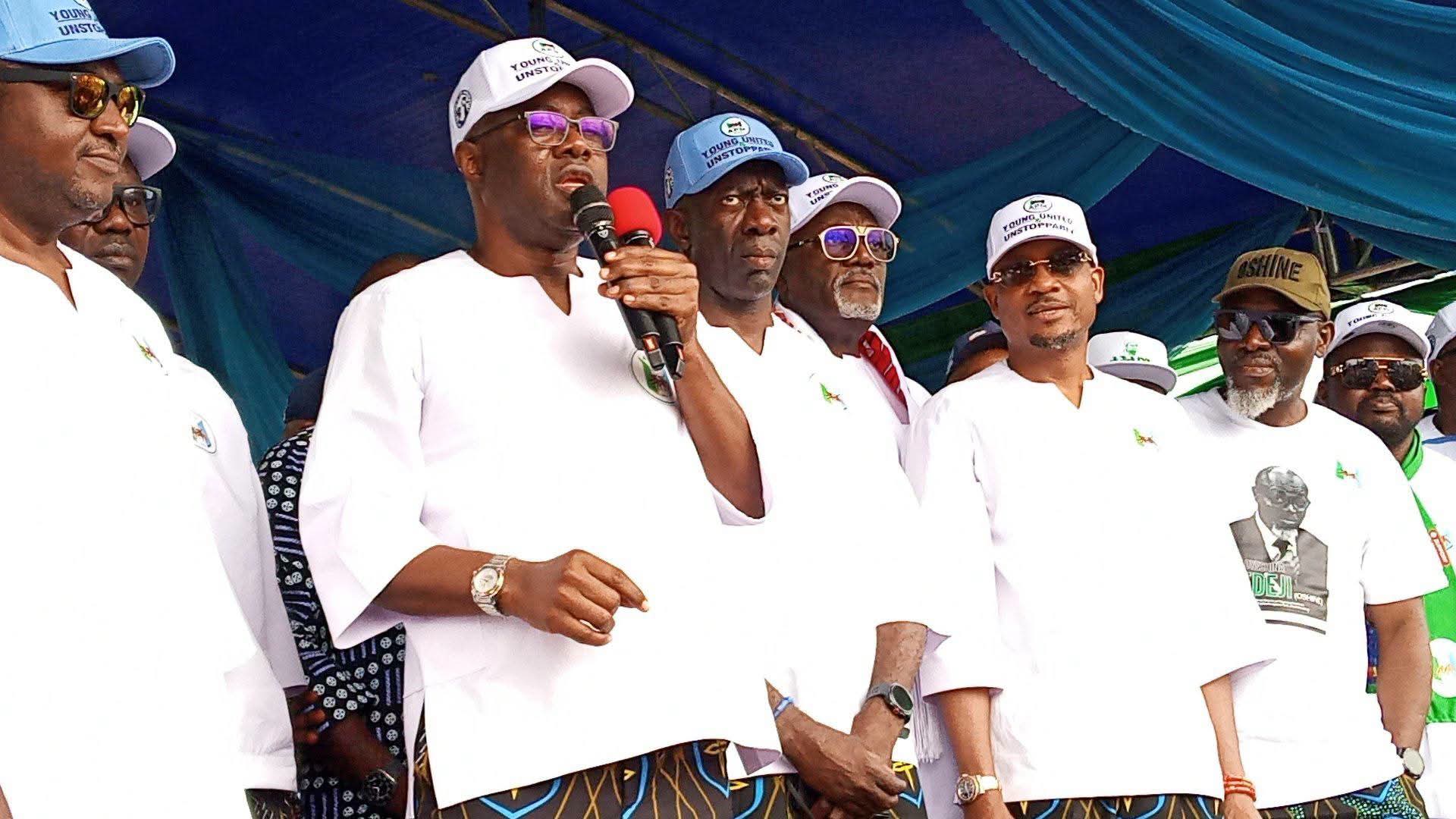
Oyo State Governor and presidential candidate of the Allied Peoples Movement (APM), Seyi Makinde, on Monday attended the Young, United and Unstoppable (YUU) concert organised by Ajiboye Sangogade, erstwhile Personal Assistant to former Minister of Power, Bayou Adelabu popularly known as Boye Nation and the JAF Movement at the Lekan Salami Stadium, Adamasingba, Ibadan.
The event, which combined entertainment with political mobilisation, culminated in the formal declaration of Boye Nation’s support for the APM. The gathering attracted youths and supporters from across Oyo State.
Makinde’s appearance at the event followed earlier announcements by the organisers that he would receive members of the movement into the APM fold as part of activities marking the gathering.
The programme also featured performances from prominent artistes, including Pasuma, Taye Currency and Qdot, alongside other entertainers.
The Adamasingba gathering adds to the ongoing political mobilisation by the APM ahead of the 2027 general elections, with the party increasingly engaging youth groups and support movements in Oyo State and beyond.
The Ondo State Government has formally requested the constitution of a Coroner’s Court to investigate the deaths linked to the consumption of suspected toxic alcoholic and herbal concoctions in parts of the state.
The State Attorney-General and Commissioner for Justice, Olukayode Ajulo, SAN, disclosed this in Akure, saying he had written to the Chief Judge of Ondo State to constitute a coroner’s court to establish the circumstances surrounding the deaths and determine their immediate and remote causes.
The development follows a health crisis that has reportedly claimed 49 lives, with hundreds of people affected across communities including Odigbo, Araromi-Obu, New Town, Odole, Okele, Orita Odigbo and Oniparaga, as well as parts of Irele Local Government Area. Earlier laboratory findings by the National Agency for Food and Drug Administration and Control (NAFDAC) confirmed high concentrations of methanol in samples of the suspected drinks.
NAFDAC said 182 cases of illness and 48 deaths had been recorded as of September 17, while five victims suffered total blindness and two others partial blindness. The agency also reported that 11 of 15 samples tested positive for Cannabis indica, while further confirmatory tests were ongoing to determine the precise concentration of methanol and identify other potentially toxic substances.
Ajulo said the proposed inquest would go beyond determining the cause of death, as it would also examine whether the tragedy could have been prevented and identify measures needed to prevent a recurrence. He added that the state government had commenced a review of the regulatory framework governing the preparation, production, distribution, sale and consumption of locally produced alcoholic and herbal products.
The Attorney-General further warned that anyone found to have criminal responsibility for the deaths would face prosecution, stressing that no person would be shielded because of status or influence. He, however, said suspects would be accorded due process under the law. Meanwhile, investigations by the police and relevant health authorities remain ongoing, with suspects already arrested in connection with the alleged production and distribution of the substances.
The race for the Oyo North Senatorial District is beginning to attract attention, with Chief Hannah Ogunesan of the APC, Hon. Shina Peller of the APM and Dr. Yisa Yusuf (YY Muslim) of the Accord Party emerging as notable contenders in the unfolding contest. Beyond the political parties and personalities, the election is shaping up as a test of what the people of Oyo North want from their next representative.
Oyo North has produced notable senators over the years, including Braimoh Yusuf, Robert Koleosho, Hosea Agboola, Gbenga Babalola and the incumbent, Senator Fatai Buhari. While the district has historically seen strong representation from Oke-Ogun, Ogbomoso remains an important component of the senatorial district. With 13 local government areas, the next senator will inherit the responsibility of representing a diverse constituency with different political, economic and developmental interests.
Buhari’s tenure has also raised the expectations surrounding the office. His admirers highlight constituency interventions, empowerment initiatives and human-capital development, while his sponsorship of the legislation that led to the establishment of the Federal University of Agriculture and Technology, Okeho, has become one of the major issues associated with his representation. The university is particularly significant to Oke-Ogun, where the demand for a higher institution of federal significance had featured prominently in development discussions.
For Chief Hannah Ogunesan, who had held the position of Head of Service in Oyo State, the APC platform provides access to an established political structure and an opportunity to present a new agenda to the electorate. Her challenge will be to translate that platform into a compelling message about representation, development and inclusion across the entire district, including both Oke-Ogun and Ogbomoso.
Hon. Shina Peller comes into the contest with previous legislative experience, having represented Iseyin/Itesiwaju/Kajola/Iwajowa Federal Constituency in the House of Representatives. His political profile and familiarity with legislative responsibilities give him a distinct background, while his decision to contest under the APM means that he will also have to demonstrate the strength of his personal political network beyond the structures of the major parties.
Dr. Yisa Yusuf popularly known as YY Muslim, representing the Accord Party, brings another option to the contest. His candidacy provides voters with an alternative outside the APC and APM establishments. His task, however, will be to build sufficient grassroots visibility and organisation across the 13 local government areas while convincing voters that his platform can translate into effective representation at the Senate.
Ultimately, the contest should be about more than where a candidate comes from or which political platform he or she represents. Oyo North needs a representative capable of connecting Oke-Ogun and Ogbomoso, attracting meaningful federal interventions, supporting education and agriculture, empowering young people and creating opportunities across the senatorial district.
The electorate will therefore have the opportunity to weigh different personalities, records, political platforms and visions for the future. Fatai Buhari may have raised the bar; the question now is who will inherit the responsibility of meeting it and potentially raising it further.
Oyo North has the cap. The people will decide who wears it.
The All Progressives Congress (APC), in Oyo State has described Governor Seyi Makinde’s presidential project as a script packaged to create an avenue for him to escape from the country before May 29, 2027 in his desperate bid to evade justice in view of many alleged cases of graft and abuse of office hanging on his neck.
Makinde, who is in his second and final term in office as the Executive Governor of Oyo State, is the presidential candidate of the Allied People’s Movement (APM) in the 2027 general elections, daily squandering resources of Oyo State on random political activities.
In a statement issued at the weekend and made available to journalists in Ibadan by its Publicity Secretary, Olawale Sadare, Oyo APC faulted the reported declaration of Monday (September 21) as a public holiday in the state, so as to popularize a musical concert organized to entertain some fun-seeking youths in Ibadan, describing the development as an abuse of office by the governor.
“Many political watchers have been wondering how an accidental governor like Seyi Makinde would dream of becoming a president at a time when a master of the game has his hands on the lever. Some pundits have also described Gov. Makinde’s tall dream as a mere show of comedy since it is devoid of any substance, clear-cut strategy and seriousness on his part as a contestant.
“Meanwhile, we can authoritatively inform the whole world that Makinde is only out to hoodwink Nigerians, distract the anti-graft agencies which are on his cases and also secure an escape route from the country anytime from January 1, 2027. We are working on the details of his plans even as relevant security agents are already on red alert because he (Makinde) will be made to answer for all his atrocities since he was sworn in as governor in May 2019.
“False asset declaration, diversion of local government council funds, contract sum variation, money laundering, land grabbing, sponsorship of violence, illegal sale of government properties, collection of fraudulent loans, contempt of the court and disobedience to court orders among other crimes are too weighty to be swept under the carpet. The governor and the handful number of individuals who are liable to prosecution over these cases know what lies ahead of them and this explains why they want to run away before May 29, 2027.
“After he had played an inglorious role in the relegation of the PDP, Makinde made it to a colourless APM and he hijacked the party’s presidential ticket. The same APM was roundly beaten in the by-elections held in six different constituencies across the country over the weekend as it can only boast of a few members in Oyo and Bauchi states out of the 36 and the FCT. How then can Makinde contest and win presidential election in the country under the unpopular political party?” APC queried.
Presidential candidate of the Accord Party, Dr. Gbenga Olawepo-Hashim, has described President Bola Ahmed Tinubu as a national security risk, warning that Nigeria could be exposed to greater danger from ISIS-linked terrorists if Tinubu returns to office in 2027.
Hashim made the remarks during an interview on Mic On with Seun Okinbaloye, where he raised concerns over the worsening security situation and the growing territorial influence of terrorists and armed criminal groups, particularly in parts of Northern Nigeria.
The Accord candidate claimed that more than 30,000 Nigerians had been killed in terrorist-related violence during the first three years of the Tinubu administration. He also alleged that armed groups had established significant influence in rural communities across parts of the North, including exercising forms of parallel authority.
“Nigeria is at risk of falling into the hands of ISIS if Tinubu returns to office,” Hashim warned, according to his remarks. He argued that the situation had gone beyond a conventional security challenge and required a fundamental restructuring of the country’s security architecture.
Hashim said an administration led by him would establish a National Guard as part of a broader strategy to tackle insurgency and other major internal security threats. He had previously advocated such a force, describing it as a structure that could operate between the conventional military and the police to strengthen Nigeria’s response to internal security challenges.
He also called for greater intelligence capacity, precision military operations, stronger border security, community-based policing, modern surveillance technology, disruption of terrorist financing and improved coordination among security agencies and neighbouring countries.
Hashim’s latest comments come amid continuing military and security operations against terrorists, bandits and other armed groups across the country. He, however, maintained that the government’s response remains largely reactive and urged a shift towards a strategy focused on preventing attacks and reclaiming vulnerable territories.
The Accord presidential candidate said the central issue was the ability of the Nigerian state to maintain effective authority over every part of the federation, arguing that the 2027 election would also be a decision about the country’s future security architecture.
Former President Olusegun Obasanjo has spoken about the historical significance of tribal marks among the Yoruba people, explaining that the traditional markings were once used as a means of identification.
Obasanjo made the remarks while speaking on the Curious City podcast, where he explained that tribal marks served an important purpose in identifying people who belonged to the same community, particularly during periods when people were captured and sold into sl@very.
According to the former president, the markings made it possible for people to recognise members of their own communities even after they had been separated from their homes.
“Tribal marks in those old days were used so that people, even when they were sold into slavery, could identify their own people. That is the purpose of tribal mark.”
Obasanjo also spoke about the presence of tribal marks among Yoruba men in those days, making a remark linking the absence of such markings to poverty.
“If you are a Yoruba man and you don’t have tribal mark, you must be very poor, because you no get money to make mark.”